

Ever feel like your mix is almost there but just missing that professional edge?
You’ve got solid plugins, you’ve put in the hours, but something still sounds off.
The difference usually isn’t gear. It’s the habits behind the mix.
In this post, we’re sharing 10 simple habits that can make your music sound more polished, more powerful, and way more professional. These are the small shifts that lead to big results.

1. Always Use a Reference Track
Want your mix to sound like the pros? Then you need to compare it to the pros.
Start every session with at least one high-quality reference track. Choose something in the same genre, with similar instrumentation, and a sound you’d be proud to match.
Drop it into REFERENCE, Level Match will be engaged by default (be sure to keep it on), and start A/B’ing. REFERENCE shows you exactly how your mix compares in terms of tonal balance, stereo width, and punch. No more guesswork.
This one habit will sharpen your ears and give every decision a clear direction.

2. Mix at Consistent Monitoring Levels
If your volume is all over the place, your decisions will be too.
Mixing too loud tricks your ears. You’ll think the bass is tighter, the highs are clearer, and the whole track is more exciting than it really is. Until you play it back later… and wonder what went wrong.
Keep your monitoring level consistent, ideally between 73 and 76 dB SPL for a small home studio. This is the sweet spot where your ears hear the most balanced version of your mix.
Your low end will be more accurate, and your EQ moves will make more sense. Trust us, your future self will thank you.

3. Mix in Context, Not Solo
Solo buttons are useful, but they can also lie.
A kick might sound fat on its own, but disappear in the full mix. A vocal might feel bright in solo but get buried against the instruments.
Great mixes come from decisions made in context. Keep your key elements playing while adjusting EQ, compression, and levels. The goal is not for a track to sound good in isolation—it’s to sound great as part of the whole.
Use solo for problem-solving, not for decision-making.

4. Match Levels Before and After Every Plugin
Want to know if that EQ move actually improved your mix? Match the volume.
If the output is louder after processing, it’s easy to think it sounds better, even if it doesn’t. That’s the loudness bias tricking your ears.
Every time you add a plugin, use its output gain to match the level to what it was before. This way, you’re judging your moves based on sound, not volume.
It’s a small habit that leads to smarter decisions and better mixes, every time.

5. Kill Harshness Fast
Harshness builds up quickly, especially in vocals, synths, and cymbals. A few piercing frequencies can make an otherwise solid mix fatiguing to listen to.
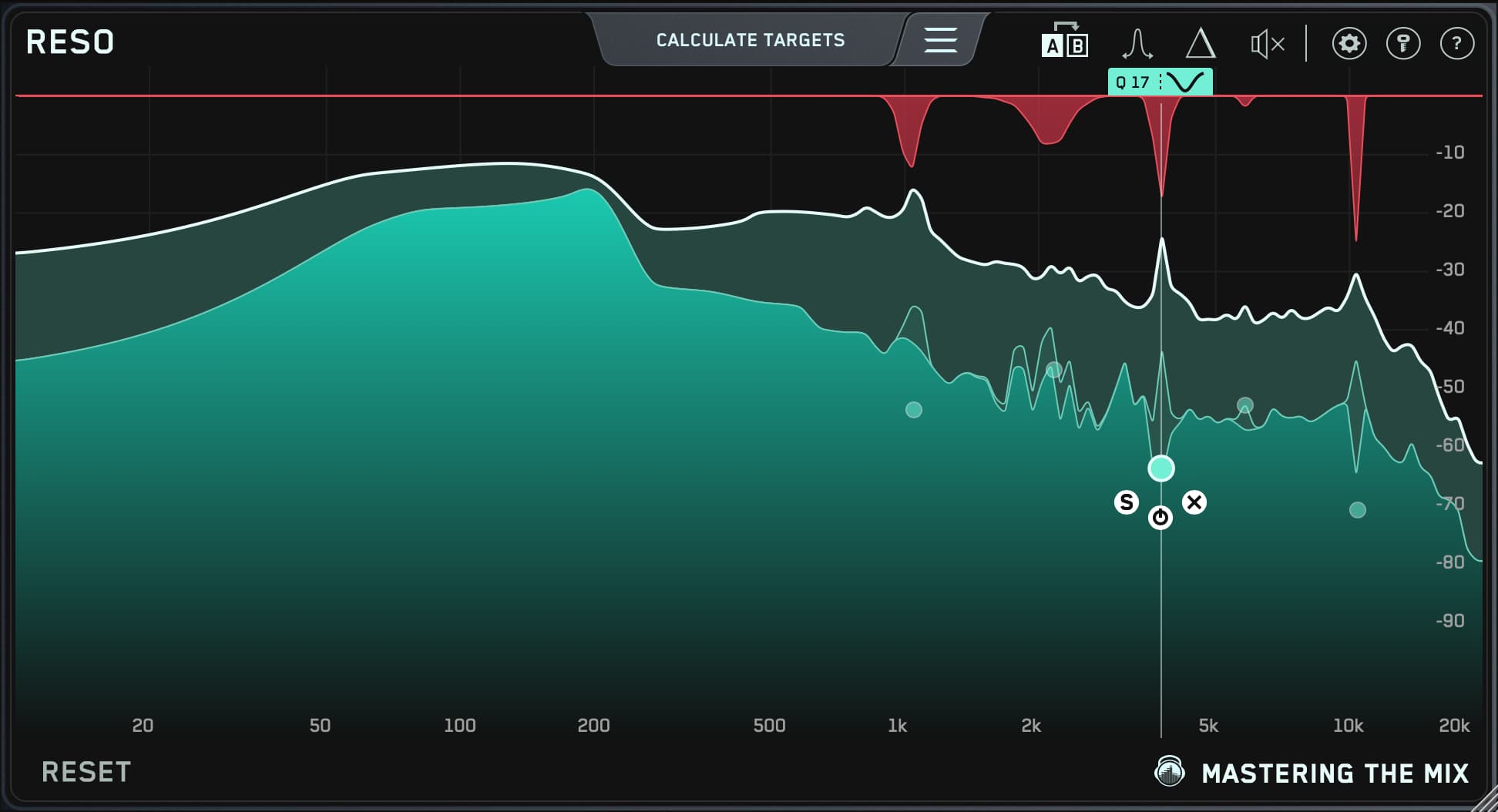
Instead of guessing with an EQ, load up RESO and hit Analyze. It shows you exactly where the harsh resonances are, and lets you tame them dynamically, so you’re not over-EQing.
The result? A smoother, cleaner mix that still feels alive.
👉 RESO

6. Balance Before You Process
Before you reach for an EQ or compressor, ask yourself, does this track actually need it?
Often, just setting the right fader level gets you 80 percent of the way there. Balancing the mix first helps you hear what’s really needed and avoids stacking unnecessary processing.
Start with levels. Get the vocals sitting right, the drums feeling punchy, the bass locking in. Only then start shaping the sound.
Less fixing, more mixing.

7. Fix Frequency Clashes Intelligently
When two elements fight for the same space (like kick and bass) you lose clarity and impact.
Instead of blindly EQ’ing both, use FUSER to identify the exact frequencies that are clashing. It analyzes both tracks and shows you where they overlap, then guides you to clean up the conflict.
No guessing or overcutting. Just focused, surgical fixes that tighten up your mix fast.
👉 FUSER

8. Don’t Forget the Sides
Widening can make your mix feel huge, but if you overdo it, you risk phase issues and a weak mono image.
Keep your sub frequencies central, and be intentional with stereo effects. Use LEVELS to check your correlation meter. If it dips too low, your mix might collapse on mono systems like club rigs or phones.
The fix is easy once you can see it.
👉 LEVELS

9. Automate with Intention
Fader rides and subtle automation moves are what separate a static mix from an emotional one.
Automate vocal levels so phrases stay present. Push your chorus a little louder. Nudge reverb sends for drama. These small moves create movement and energy that keep the listener engaged.
A polished mix isn’t just well-balanced, it breathes. Make automation part of your workflow, not an afterthought.

10. Run a Final Check in EXPOSE
Before you bounce, make sure your mix actually holds up.
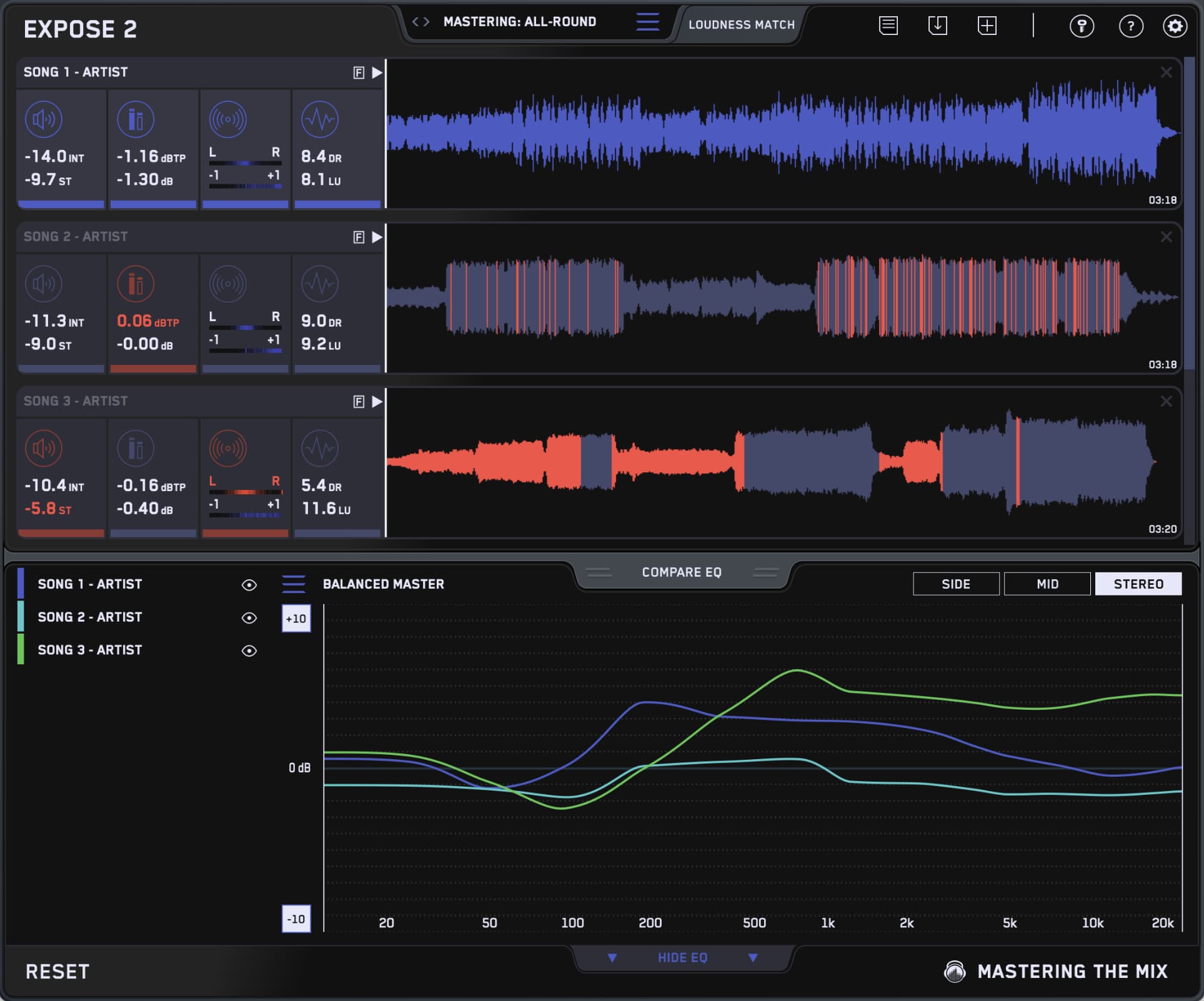
Drop your track into EXPOSE and instantly see if you’re pushing too loud, if your stereo image is off, or if hidden distortion is sneaking through. It highlights the problems—and tells you how to fix them.
You’ve already done the hard work. This is your safety net to make sure nothing slips through the cracks.
👉 EXPOSE

Conclusion
Pro mixes don’t happen by accident. They come from consistent habits, clear decisions, and the right tools guiding the process.
Start with just a few of these habits, like referencing with REFERENCE, cleaning up harshness with RESO, or doing a final check in EXPOSE, and you’ll hear real improvements fast.
Mix with intention. Mix with confidence. And if you need a little help along the way, our plugins are here to support your best work.
👉 Try the free trials and take your mix to the next level.
Frequently Asked Questions
What is the single most important habit for a more professional mix?
Always start with a reference track. Comparing your mix to a professionally produced song in the same genre gives every decision a clear direction and trains your ears fast. It is the habit that anchors all the others, turning guesswork into informed moves on tone, width, and punch.
Why should I match levels before and after adding a plugin?
Because louder almost always seems better. If a plugin makes the output louder, you will tend to think it improved the sound even when it did not. Using the plugin output gain to match the original level lets you judge the change on its actual merits rather than on a volume jump.
Should I make EQ and compression decisions while soloing a track?
Use solo for problem-solving, not decision-making. A kick can sound fat soloed yet vanish in the full mix, and a vocal can seem bright alone but get buried against the instruments. Keep your key elements playing while you adjust, so every move is judged in the context of the whole.
How do I stop my stereo widening from causing problems?
Keep your sub frequencies centred and be intentional with stereo effects. Watch a correlation meter while you widen; if it dips too low, your mix can collapse on mono systems like club rigs and phones. Seeing the phase relationship makes the fix easy before it becomes a problem on release.