
How To Use Music From YouTube, Spotify, and Apple Music As A Reference Track
As the music consumption model moves from ownership to streaming platforms, producers are left with fewer reference tracks in their library to chose from. In this blog, I’ll show you how to use Mas...
The Perfect Monitoring Levels For Your Home Studio
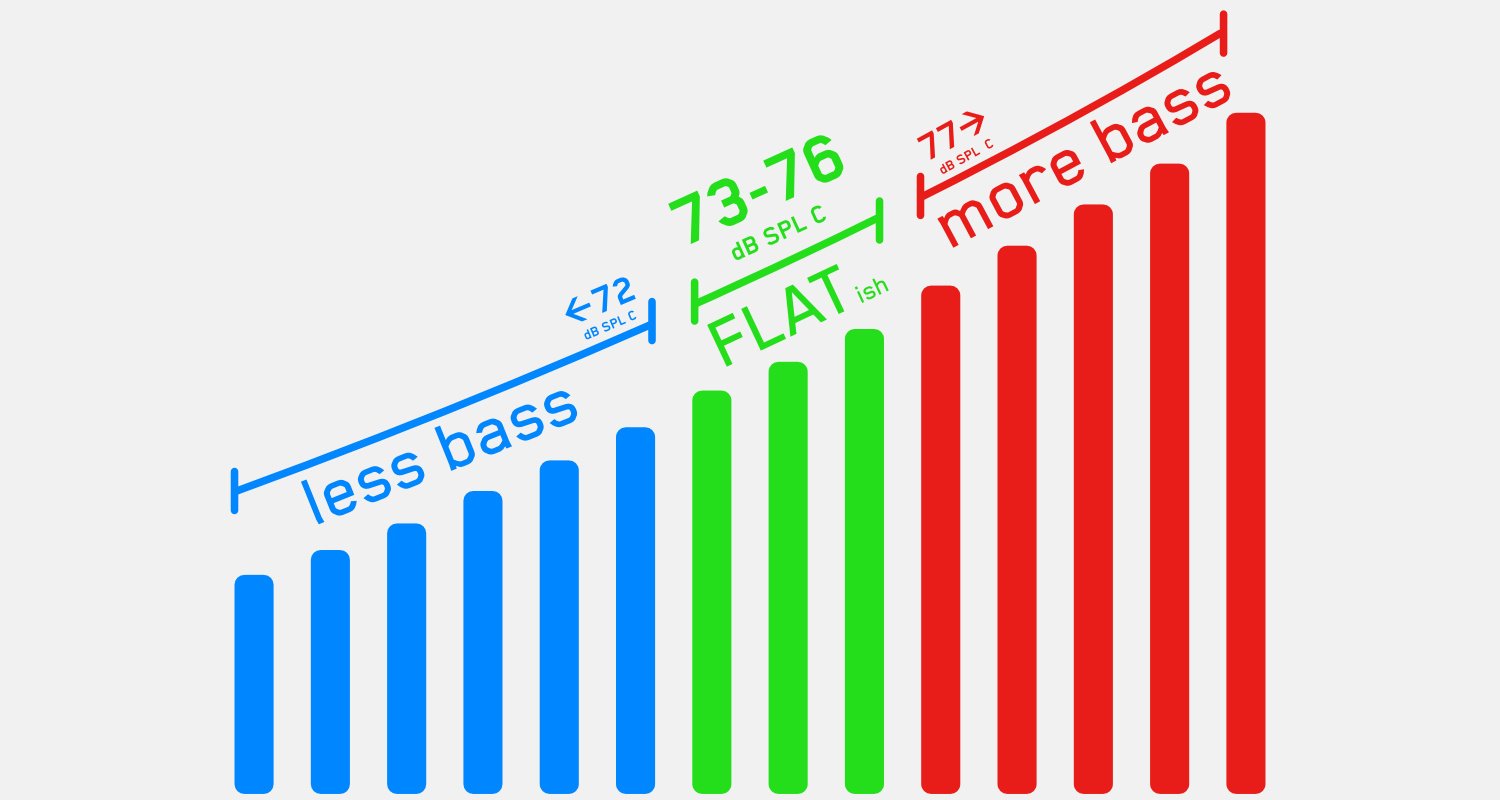
We hear frequencies differently at different volume levels. Less bass when it’s quiet, more bass when it’s loud. That’s a problem. Because if your monitoring level is off, you’ll start making EQ d...
Should You Remove Resonances During Mastering?
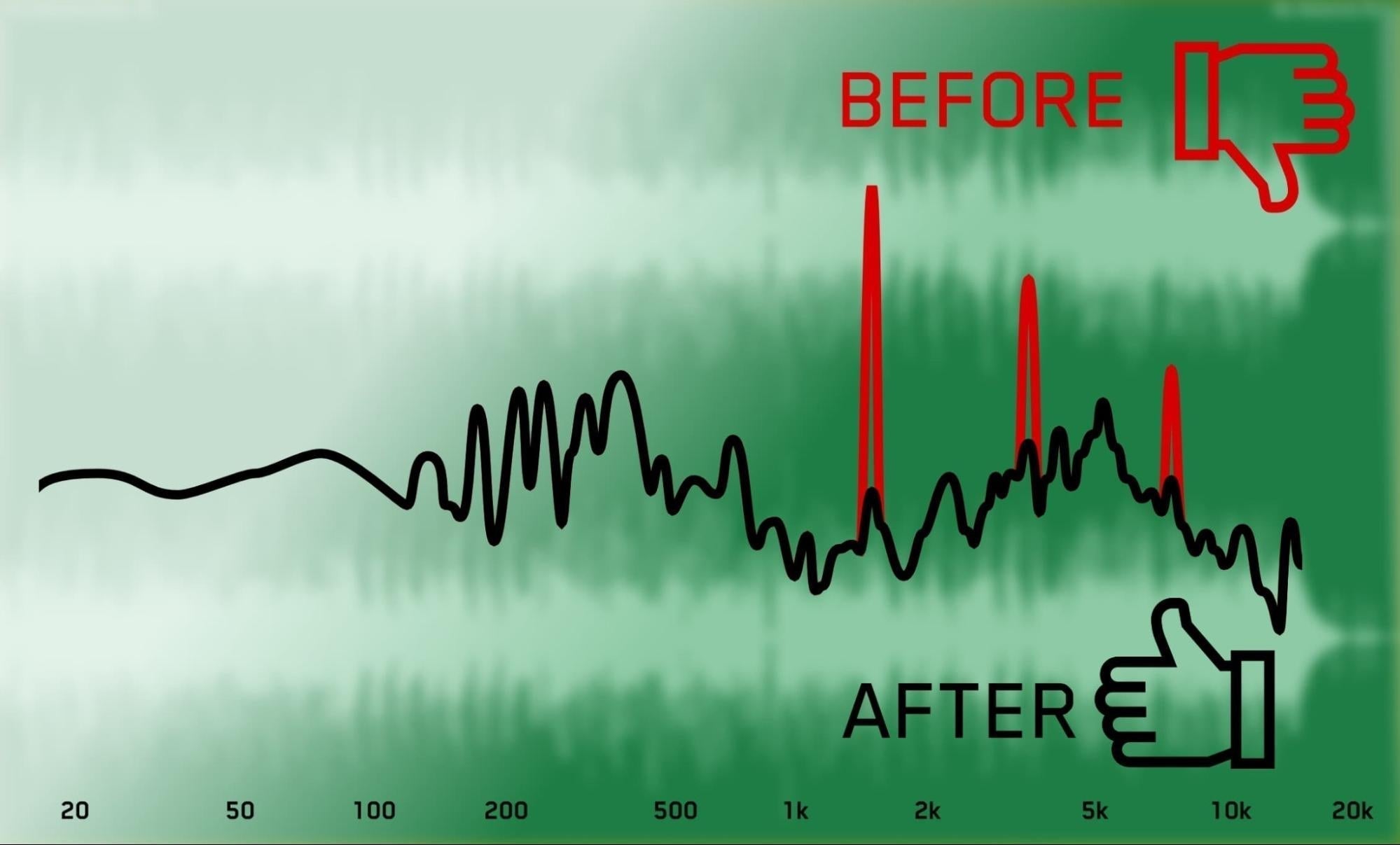
Resonances can destroy the magic of your music. They creep in as harsh, fatiguing spikes that distract the ear and make a mix sound unpolished. Even if you’ve cleaned up individual tracks, new reso...
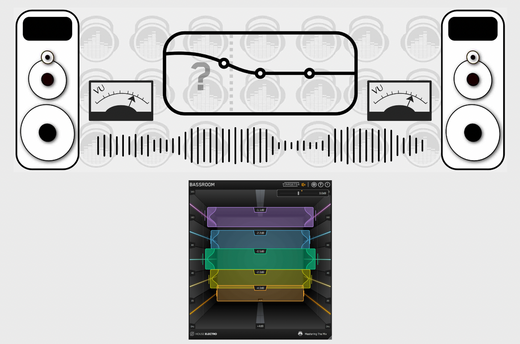
How To Get a Low-End That Hits Hard & Translates Everywhere
Getting the low-end balance right in your mix or master is a challenge almost every producer faces. Without a solid low-end, your track won’t have the impact it deserves. Go too heavy on the bass,...
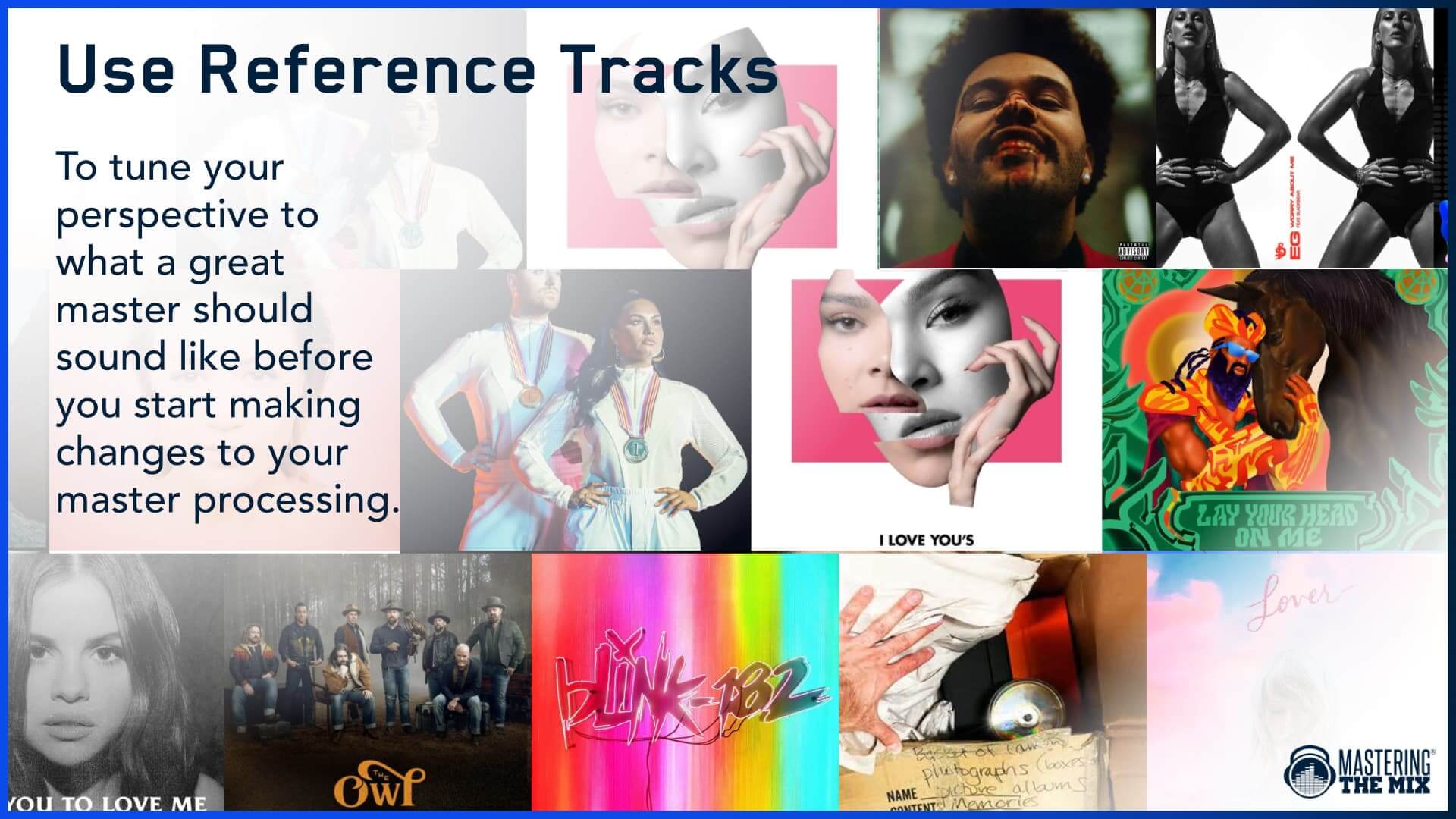
How To Use Reference Tracks When Mastering
Before you touch a single EQ knob or tweak your limiter settings, stop and ask yourself—what am I aiming for? Mastering without a clear sonic target is like navigating without a map: you might get ...
How to Use Mid/Side EQ to Elevate Your Masters
Mid/side EQ is one of the most powerful—and misunderstood—tools in a mastering engineer’s arsenal. Used right, it can widen your mix, bring vocals to the front, tighten the low end, and reveal soni...
