

Most producers drop the same favourite reference into every session. Daft Punk for the kick. Daft Punk for the vocal. Daft Punk for the master loudness. Then they wonder why the reference helps with some decisions but feels useless for the rest. The kick reference shouldn't necessarily be the same record as the vocal reference. They're different jobs. You can use different tracks.
This post is about building the small library of references that fixes that, organising it inside REFERENCE 3, and using it the way it actually saves you time, which is pulling up the right track for the right question and moving on.

1Why One Reference Track Isn't Enough
A mix is lots of small decisions. Is my vocal too far back? Is the kick too heavy for this style? Is my chorus wide enough? Is the low-mid getting cloudy? Is my master bright enough without getting harsh? Each of those questions wants a different reference. The track that nails kick weight rarely nails vocal sit. The track mastered for streaming-loud isn't the right reference for an audiophile master.
If all you have is one track, two things tend to happen, both bad. Either you mix too tightly to that record and your song ends up sounding like a worse copy of someone else's. Or you ignore the reference for half the decisions because it doesn't actually answer them, which kind of defeats the point.
A small library (mine is 30 tracks, and I master tracks for thousands of clients accross different genres) fixes both. You pull up the track that answers what you're stuck on, hear the answer, and move on. Different questions, different tracks. The post on how to choose the right reference track covers what makes a single track worth using. This one's about building the collection.

2Build A Reference Library With A Job For Every Track
Every track in your library needs a job. That's the rule. The track is in the library because it does one thing better than anywhere else you've heard it done. Kick weight. Vocal sit. Master loudness. Stereo width. Top-end balance. If you can't say what its job is, it shouldn't be in there.
You're not building a giant playlist. You're building a small decision-making tool.
REFERENCE 3 holds 12 active reference tracks at a time, which is enough for most producers in most genres. Your wider library can have dozens of tracks saved, and you swap them in based on what you're mixing. The Smart Reference Tracks feature picks the four most appropriate references from your library for the song you're working on, which gets you to the right tracks without scrolling.

Three kinds of tracks earn their slot:
Mastered finals. Released, finished records you'd want your master to sit alongside on a playlist. Loudness, master tone, stereo width.
Element references. Tracks where one specific thing is dialled in. Perfect 808 weight. Natural lead vocal placement. Cymbal balance you'd kill for. They don't need to be famous tracks. They just need to nail one thing.
Genre adjacents. Tracks from a slightly different sub-genre that you want to borrow ideas from. Pop record energy applied to a country production. Drum-and-bass kick weight applied to a trap mix. Borrowing across genres keeps productions fresh.
Don't add tracks because they're loud. Loud isn't the same as right. A track at -5 LUFS short-term that sounds squashed and lifeless is a worse reference than one at -10 LUFS that breathes properly. The post on hitting the right LUFS for streaming covers what loud actually buys you and what it costs.
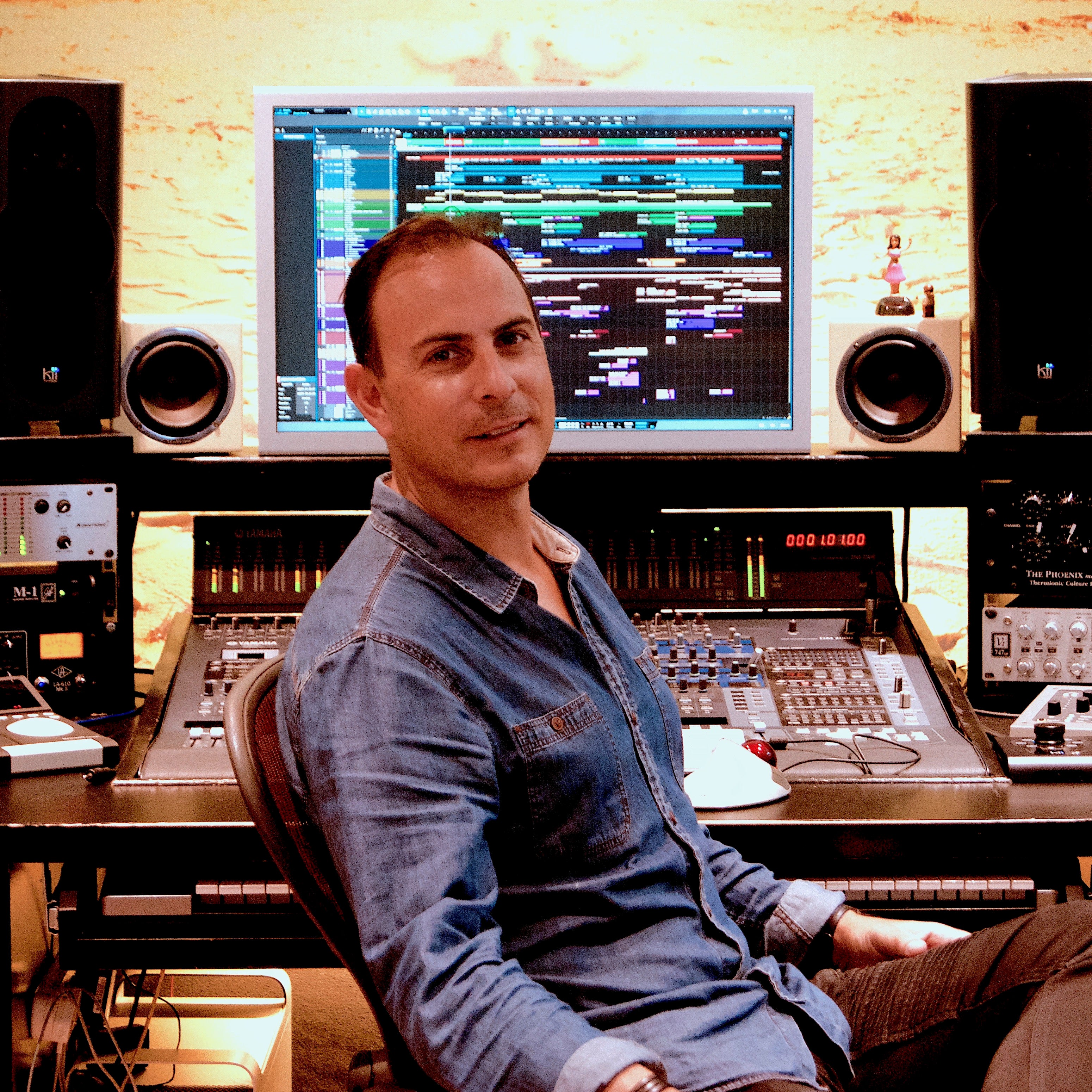
BTS, Calvin Harris, Tinie Tempah
"REFERENCE is an amazing plugin that helps me make accurate mix decisions and cuts out the guess work."
Try REFERENCE 3 free →3Choose References By Problem, Not Taste
The wrong question is "what's my favourite track right now". The right question is "what's the best example I've ever heard of the thing I'm stuck on". Personal taste isn't useful here. Best-in-class for the specific problem is.
These are the questions most mixes get stuck on, and the kind of references that answer them:
- Is the kick too heavy for this style? Low-end-led tracks where the kick sits with the weight you want yours to have. Modern rap, drum-and-bass, electronic music with serious sub.
- Is my vocal too far back? Tracks where the lead vocal is placed exactly where you want yours. Forward without being shouty.
- Is the low-mid getting cloudy? Tracks where the 200–500 Hz region is open and clear, not muddy.
- Is my master bright enough without getting harsh? Tracks where the top end has air at chorus level without painful 3–6 kHz.
- Is my chorus wide enough? Tracks where the stereo image is doing real work, not just spreading for the sake of it.
- Am I in the right loudness ballpark? Tracks from the loudness tier you're targeting. Streaming, radio, audiophile, all different.
You don't need a separate track for every one of those. Some references answer three or four. The library is about coverage.
Don't pick references because they're impressive productions. Pick them because they answer a specific question cleanly. A flawless modern pop record is useless as a reference if its kick isn't doing the thing your kick is trying to do. A messy old indie record is perfect if its vocal sit is exactly the placement you're chasing. Best example of X, not best track ever.
4Organise Your Library Inside REFERENCE 3
REFERENCE 3 is built around the way the library actually gets used. A few things it handles for you that matter once you start working at speed:

Mix Descriptors get tagged on import. Drop a track in and REFERENCE 3 reads what it's good at. Loudness, tonal balance, stereo width, dynamics, all tagged automatically. You can see what each track is suited for at a glance, so picking the right reference is a few seconds of looking instead of a minute of A/B-ing.
Smart Loop locks onto the loudest, most useful section. No need to set loop points by hand. The plugin loops the chorus or the section that does the work, which is the one you want to reference against.
Level Match keeps every A/B fair. Loud always sounds better, which is why an unmatched A/B always favours the louder track. Level Match takes loudness off the table so you're hearing tone and balance, not volume.
Master Scope shows the comparison visually. Tone, stereo width, dynamic range, frequency balance, all rendered against your chosen reference. You hear the difference, the scope confirms it.
Match % gives you a quick confidence check. A high Match % is a sign you're close. A low one is a sign to keep working. It's not the whole decision, but it's a useful sanity check before you bounce.
The post on producing, mixing and mastering with REFERENCE goes through every feature in detail. This post stays focused on the library habit.
5Use The Right Reference At The Right Moment
Once the library is built and REFERENCE 3 has tagged everything for you, the routine is fast.
You're working on the mix. A question comes up. "Is my kick too heavy?" You glance at REFERENCE 3, pick the kick reference, or let Smart Reference Tracks pull the four best from your library, and compare the kicks of the original and the reference. Level Match makes it a fair comparison. Master Scope shows you the difference. Your kick is too thick around 200 Hz, or too thin around 70 Hz, or sitting right where it should. You adjust. 30 seconds.
Multiply that across every decision in a mix and the time saved adds up to hours.
The trap is referencing everything. You don't need to. Reference what you're stuck on. If your kick weight is fine and your vocal sit is fine, don't reference either. Reference the question you're actually asking. Otherwise referencing turns into a stalling tactic, and you start questioning decisions that were already working.
I'd refresh the reference library twice a year, no more. Pull two or three tracks you've stopped reaching for and swap in new ones from your wider collection. Constant rotation breaks the muscle memory of which track answers which question. A stable set you know inside out is worth more than a fresh one you're still learning.
6Keep The Library Small, Familiar, And Useful
A library you know inside out beats a fresh one. When a kick question comes up, you should know exactly which track to pull without thinking about it. That only happens when the library stays stable long enough for you to learn it.
Refresh two or three tracks a year, not the whole set. Use the wider saved library for projects that need something specific, like a kick reference for a sub-genre you don't normally work in. The Smart Reference Tracks feature will surface the right four when the song calls for it.
If you're using REFERENCE 3 for mastering as well as mixing, the post on using reference tracks when mastering covers the mastering side. Same library, different stage of the process.
Build It Once. Learn It Well. Use It On Every Mix.
A small library beats a single favourite track because mixing is hundreds of decisions, and one record can't answer all of them. Pick 15+ references, give every one a clear job, let REFERENCE 3 handle the tagging and looping, and learn what each track tells you. After a few mixes, the right reference for the right question becomes second nature, and the library stops being a folder of MP3s and becomes part of how you work.
That's the real saving. Not just faster decisions. Better ones, made against the right comparison, every time.
Frequently Asked Questions
Why is one reference track not enough?
A mix is many small decisions, and the track that nails kick weight rarely nails vocal placement or master loudness. With only one reference you either copy that record too closely or ignore it for half your decisions. A small library answers each question with the right track.
How should you choose tracks for a reference library?
Every track needs a job. Include mastered finals for loudness and tone, element references where one thing like 808 weight or vocal placement is dialled in, and genre adjacents to borrow ideas across styles. Do not add tracks just because they are loud or impressive.
How many reference tracks does REFERENCE 3 hold?
REFERENCE 3 holds twelve active reference tracks at a time, which suits most producers in most genres. A wider saved library can hold dozens, and Smart Reference Tracks picks the four most appropriate references for the song you are working on without scrolling.
How often should you refresh your reference library?
Refresh only two or three tracks a year, not the whole set. Constant rotation breaks the muscle memory of which track answers which question. A stable library you know inside out is worth more than a fresh one you are still learning.